
Ever Wonder Why Your Teeth Are So Sensitive?

July 31, 2024

Tooth sensitivity is a common dental issue that can cause discomfort or pain when eating or drinking hot, cold, sweet, or acidic foods and beverages. Understanding the underlying causes can help you manage and prevent this condition.


Some of the top reasons for sensitivity that we see in the practice include:


  • Enamel Erosion: The enamel is the hard, protective outer layer of the teeth. It can wear down over time due to acidic foods and drinks, aggressive brushing, or teeth grinding (bruxism). When the enamel erodes, it exposes the underlying dentin, which is more sensitive to external stimuli.
  • Gum Recession: Gum recession occurs when the gum tissue surrounding the teeth pulls back or wears away, exposing the tooth roots. The roots do not have protective enamel, making them more vulnerable to sensitivity.
  • Tooth Decay: Cavities and tooth decay can create holes or cracks in the enamel, exposing the dentin and causing sensitivity.
  • Cracked or Chipped Teeth: Damage to the teeth, such as cracks or chips, can expose the dentin or the inner pulp, leading to sensitivity.
  • Recent Dental Procedures: Some dental treatments, such as fillings, crowns, or teeth whitening, can cause temporary tooth sensitivity.

Effective Treatments and Preventive Measures

Managing tooth sensitivity involves a combination of treatments and preventive strategies to protect your teeth and reduce discomfort. If you experience frequent sensitivity, you may want to consider one (or a few) of the following.


  • Desensitising Toothpaste: Using toothpaste designed for sensitive teeth can help block the transmission of pain signals from the tooth surface to the nerve. Look for products with ingredients like potassium nitrate or stannous fluoride.
  • Fluoride Treatments: Our team can apply fluoride gel or varnish to the sensitive areas of your teeth to strengthen enamel and reduce sensitivity. At-home fluoride treatments may also be recommended.
  • Proper Oral Hygiene: Maintaining good oral hygiene is crucial. Use a soft-bristled toothbrush and gentle brushing techniques to avoid damaging the enamel and gums. Floss daily to remove plaque and food particles.
  • Dietary Changes: Limit the consumption of acidic foods and drinks, such as citrus fruits, sodas, and wine, which can erode enamel. Rinse your mouth with water after consuming acidic substances to neutralise acids.
  • Mouthguards: If you grind your teeth at night, a custom-fitted mouthguard can protect your teeth from damage and reduce sensitivity.
  • Dental Treatments: For severe sensitivity caused by decay or damage, our team may recommend treatments such as fillings, crowns, inlays, or bonding to cover exposed dentin and protect the tooth.
  • Gum Grafting: If gum recession is the cause of sensitivity, a gum graft procedure can cover the exposed roots and reduce discomfort.


If you experience persistent or severe sensitivity, schedule an appointment to discuss your symptoms and receive personalised treatment with our team.


We’re here to help!

Person Smiling While Holding a Fork Over a Salad — Trinity Beach Dental In Trinity Beach, QLD
July 29, 2026
Most people favor chewing on one side without ever realising it, until a sore tooth, a stiff jaw, or a dentist pointing it out during a checkup brings it to their attention.

Person Holding a Glass and Touching Their Cheek — Trinity Beach Dental In Trinity Beach, QLD
July 4, 2026
The Real Difference Between Sensitive Teeth and a Toothache That sharp jolt when you drink something cold — is it sensitivity, or is it a toothache? Most people use the two terms interchangeably, but they actually describe different things happening in your mouth. Knowing the difference matters, because the right response to each is not [...]

Dental Drill Working on a Patient’s Teeth — Trinity Beach Dental In Trinity Beach, QLD
June 27, 2026
Sometimes dental cleanings don't feel urgent because nothing hurts. But it’s important to understand what’s actually happening in your mouth during that time.
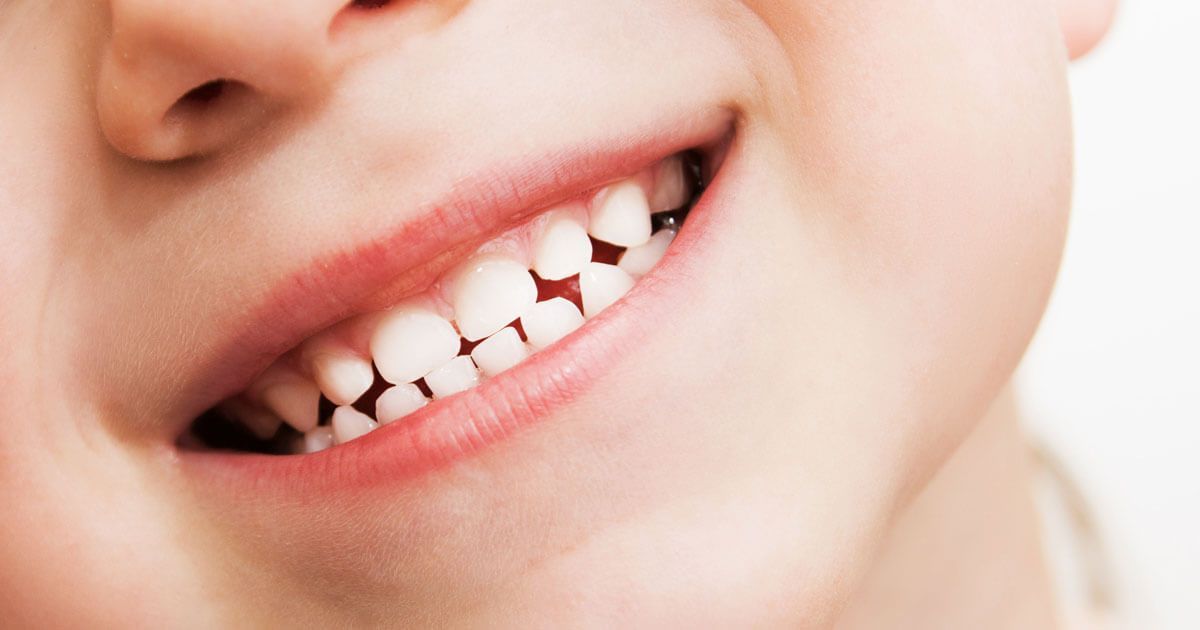
Close-up of a Smiling Mouth With a Missing Front Tooth — Trinity Beach Dental In Trinity Beach, QLD
June 24, 2026
Parents might be surprised to learn how much of a child's oral health depends on their baby teeth remaining healthy.

A Dentist in Gloves Adjusts a Woman's Face — Trinity Beach Dental In Trinity Beach, QLD
June 17, 2026
How your teeth meet up affects far more than the act of eating. It influences your jaw joints, your muscles, your sleep, and in some cases, even your posture.

Man Smiling at His Reflection in a Bathroom Mirror — Trinity Beach Dental In Trinity Beach, QLD
May 17, 2026
Did you know that cavity risk isn't determined by oral hygiene alone?

Sleeping Child in Pink Pajamas — Trinity Beach Dental In Trinity Beach, QLD
May 7, 2026
For people who mouth-breathe regularly (even if just while sleeping), the effects on oral health can be surprisingly significant.

Woman in a Light Tank Top Drinking Water From a Glass — Trinity Beach Dental In Trinity Beach, QLD
April 1, 2026
Lemon water first thing in the morning. Sparkling water throughout the day. A kombucha with lunch. These feel like healthy habits, and some of them genuinely are. But there's a side effect most people don't hear much about: what all that acidity is quietly doing to your tooth enamel. It's one of those things that happens slowly enough that you don't notice it, but eventually becomes impossible to ignore.

Woman With Tongue Out, Looking at Her Reflection — Trinity Beach Dental In Trinity Beach, QLD
March 22, 2026
Most people focus their dental self-checks on their teeth: looking for anything dark or broken, maybe running a tongue over a spot that feels off. But the tongue itself is one of the most informative surfaces in your mouth.

Person Covering Their Mouth With One Hand — Trinity Beach Dental In Trinity Beach, QLD
February 25, 2026
Stay hydrated throughout the day and drink a glass of water before bed.
Show More
