Dental Crowns in Trinity Beach
Request a Complimentary Consultation
Thank you for contacting Trinity Beach Dental.
We will get back to you as soon as possible.
Oops, there was an error sending your message.
Please try again later.
Reliable protection for damaged or restored teeth.
Restoring Strength with Custom Dental Crowns
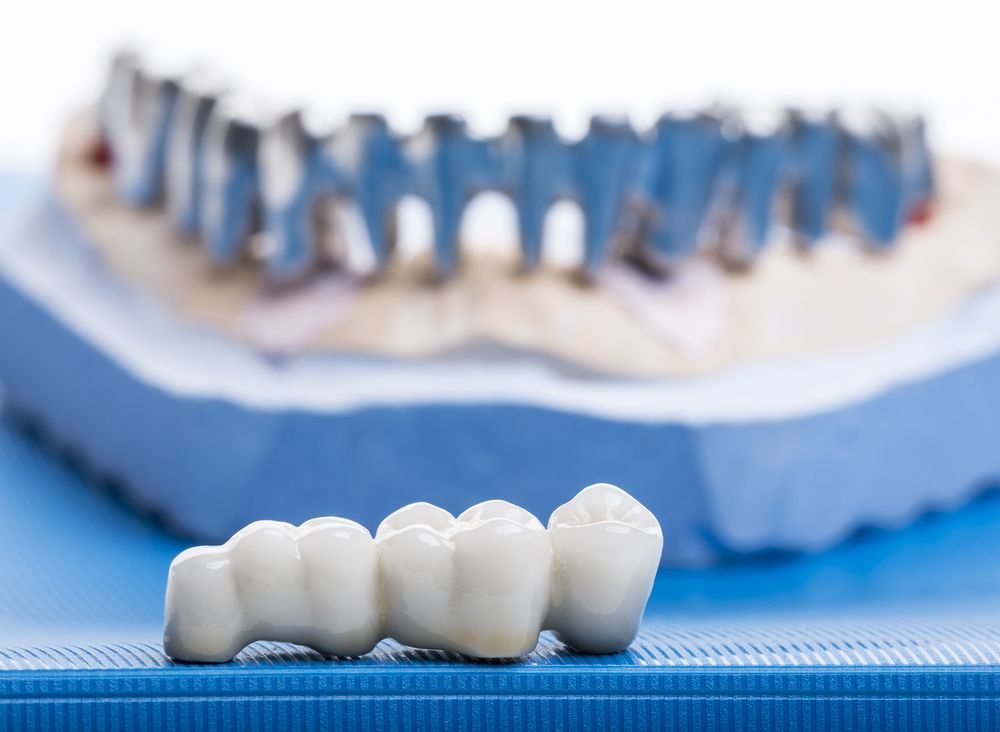
Dental crowns are used to protect and restore teeth that have been weakened by decay, damage, or previous treatment. Each crown at Trinity Beach Dental is individually designed to match the natural colour and shape of surrounding teeth, maintaining both function and appearance. Crowns provide full coverage for the affected tooth, sealing it from bacteria and everyday wear while restoring strength and stability.
Our crowns are made locally by skilled dental technicians in Cairns to ensure precision and quality. Materials such as porcelain, zirconia, or gold may be chosen depending on the tooth’s position and your needs. Every crown is carefully planned to blend seamlessly with nearby teeth while offering long-term durability for daily use.
Crowns are a reliable option for patients looking to protect or strengthen natural teeth. To discuss available materials or arrange a consultation, call 07 4057 6088 today.
Frequently Asked Questions
How long do dental crowns last?
Dental crowns are designed for long-term durability, often lasting 10 to 15 years or more with good care. The lifespan depends on factors such as oral hygiene, bite pressure, and material choice. Regular dental check-ups help identify early wear and prevent issues that could shorten their longevity. Avoiding habits like teeth grinding or chewing hard foods also helps maintain the crown’s strength. With ongoing care and maintenance, many patients find their crowns function well for decades.
What are dental crowns made of?
Crowns can be made from a range of materials, including porcelain, zirconia, and metal alloys. Porcelain and zirconia crowns are popular because they closely mimic the natural colour and translucency of teeth, while metal or gold crowns are often chosen for their strength on back molars. Each material has specific benefits depending on the tooth’s position and bite pressure. During your consultation, the dentist will explain the differences and help select the most appropriate option. This ensures your crown provides both functional strength and a natural appearance.
Does getting a dental crown hurt?
The procedure is completed under local anaesthetic to ensure comfort throughout the treatment. Patients typically experience little to no pain, though mild sensitivity may occur for a few days once the anaesthetic wears off. If any discomfort arises, it usually subsides quickly as the tooth adjusts. The use of high-quality materials and precise fitting techniques helps reduce irritation and support a smooth recovery. Practices may also offer additional comfort measures, such as nitrous oxide, if patients feel anxious about dental procedures.
Durable Restorations for Long-Term Protection
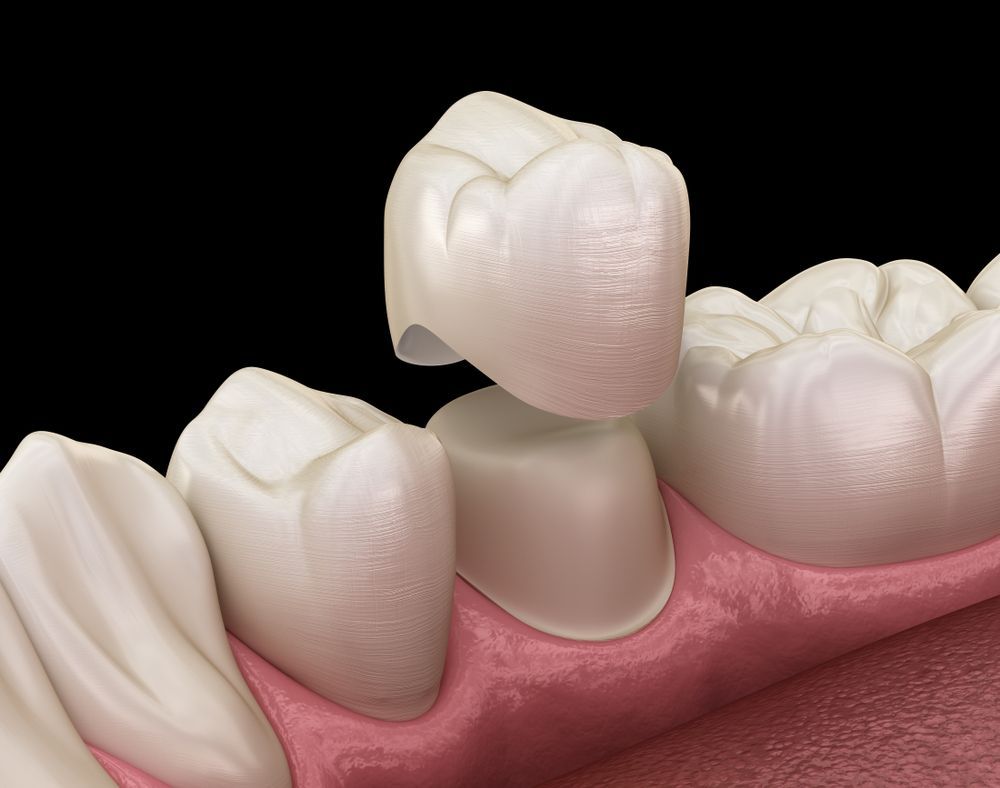
Treatment typically takes place over two appointments. During the first visit, the tooth is prepared and impressions are taken to guide the design of the new crown. A temporary crown is fitted to protect the tooth while the custom restoration is crafted by local dental technicians. Around two weeks later, the final crown is bonded securely into place, restoring full function and appearance.
Crowns may be recommended following root canal therapy, large fillings, or when a tooth is structurally weakened. They help distribute bite pressure evenly and reduce the risk of fracture. Before any work begins, the dentist will assess the tooth thoroughly and discuss available options, ensuring treatment aligns with your needs and comfort.
To learn more about how dental crowns can support your long-term oral health, contact our friendly team to book an appointment.


