
The Real Reason Some People Are More Prone to Cavities

May 17, 2026

If you brush twice a day, floss regularly, and still seem to end up with cavities more often than people you know, it can feel unfair. The truth is that cavity risk isn’t determined by oral hygiene alone.


Several factors — some within your control, some not — influence how vulnerable your teeth are to decay. Understanding these factors can change how you approach your dental care.

It Starts With the Bacteria in Your Mouth

Tooth decay is caused by specific strains of bacteria that feed on sugar and produce acid as a byproduct. That acid gradually wears away enamel (the hard outer layer of your teeth) eventually creating a cavity.


What varies from person to person is how much of this bacteria they carry. Some people naturally harbor higher concentrations of decay-causing bacteria, which means the same diet and hygiene habits produce different outcomes.

Saliva Plays a Big Role

Dry mouth is a surprisingly common and underappreciated driver of cavity risk, since saliva is your mouth’s natural defence system. It washes away food particles, neutralises acid, and delivers minerals that help remineralise (rebuild) your enamel between meals.


People who produce less saliva have less of this protection. Variations in saliva levels could be due to medication, certain health conditions, or simply individual biology.

Enamel Thickness Varies

Not everyone starts with the same amount of enamel, and some people’s enamel is naturally thinner or more porous, making it easier for acid to penetrate.


This can be genetic, or it can be influenced by factors during tooth development. Thinner enamel doesn’t mean cavities are inevitable, but it does mean the margin for error is smaller.

Diet Patterns Matter More Than Single Foods

It’s not just what you eat but how often you eat it. Every time you consume something sugary or acidic, your mouth enters an acidic state for roughly 20 to 30 minutes. Frequent snacking, even on relatively small amounts, means your teeth spend more time under acid attack.


Three meals with no snacking gives your enamel significantly more recovery time than six small eating occasions spread across the day.

Your Risk Can Be Managed

Higher cavity risk doesn’t mean you’re destined for a mouthful of fillings. It means your care plan may need to be tailored. Things like more frequent check-ins, specific fluoride recommendations, or dietary adjustments can be made based on your patterns.


At Trinity Beach Dental, we look at the full picture, not just what’s happening right now. If cavities have been a recurring frustration for you, let’s talk about why and what we can do about it.

Person Smiling While Holding a Fork Over a Salad — Trinity Beach Dental In Trinity Beach, QLD
July 29, 2026
Most people favor chewing on one side without ever realising it, until a sore tooth, a stiff jaw, or a dentist pointing it out during a checkup brings it to their attention.

Person Holding a Glass and Touching Their Cheek — Trinity Beach Dental In Trinity Beach, QLD
July 4, 2026
The Real Difference Between Sensitive Teeth and a Toothache That sharp jolt when you drink something cold — is it sensitivity, or is it a toothache? Most people use the two terms interchangeably, but they actually describe different things happening in your mouth. Knowing the difference matters, because the right response to each is not [...]
Dental Drill Working on a Patient’s Teeth — Trinity Beach Dental In Trinity Beach, QLD
June 27, 2026
Sometimes dental cleanings don't feel urgent because nothing hurts. But it’s important to understand what’s actually happening in your mouth during that time.
Close-up of a Smiling Mouth With a Missing Front Tooth — Trinity Beach Dental In Trinity Beach, QLD
June 24, 2026
Parents might be surprised to learn how much of a child's oral health depends on their baby teeth remaining healthy.
A Dentist in Gloves Adjusts a Woman's Face — Trinity Beach Dental In Trinity Beach, QLD
June 17, 2026
How your teeth meet up affects far more than the act of eating. It influences your jaw joints, your muscles, your sleep, and in some cases, even your posture.
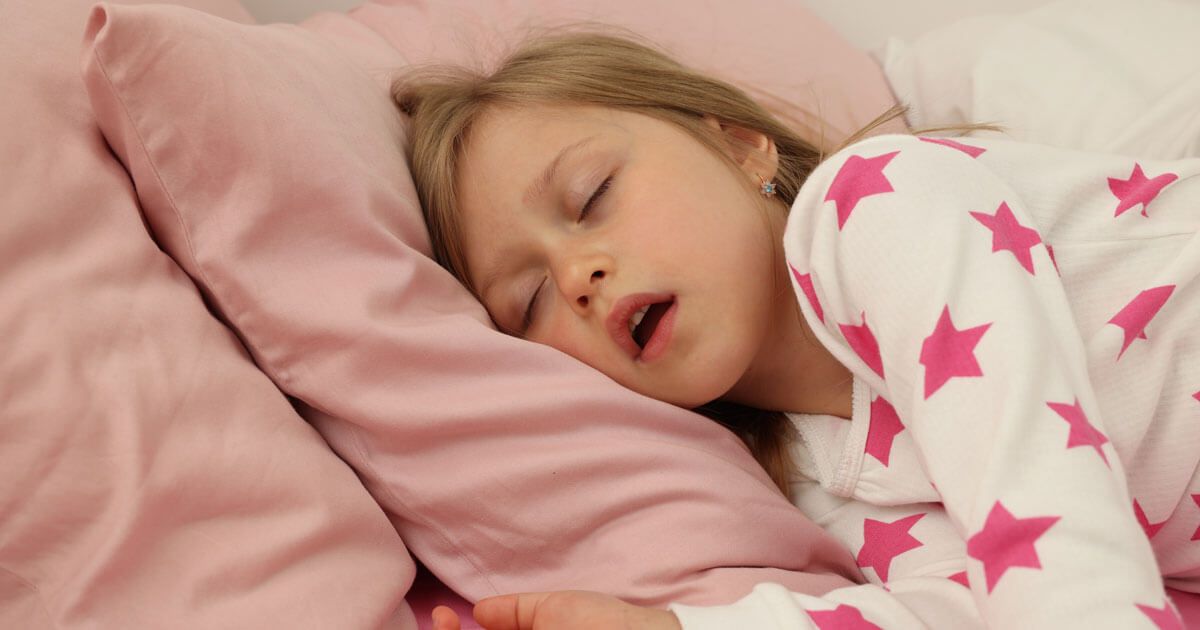
Sleeping Child in Pink Pajamas — Trinity Beach Dental In Trinity Beach, QLD
May 7, 2026
For people who mouth-breathe regularly (even if just while sleeping), the effects on oral health can be surprisingly significant.
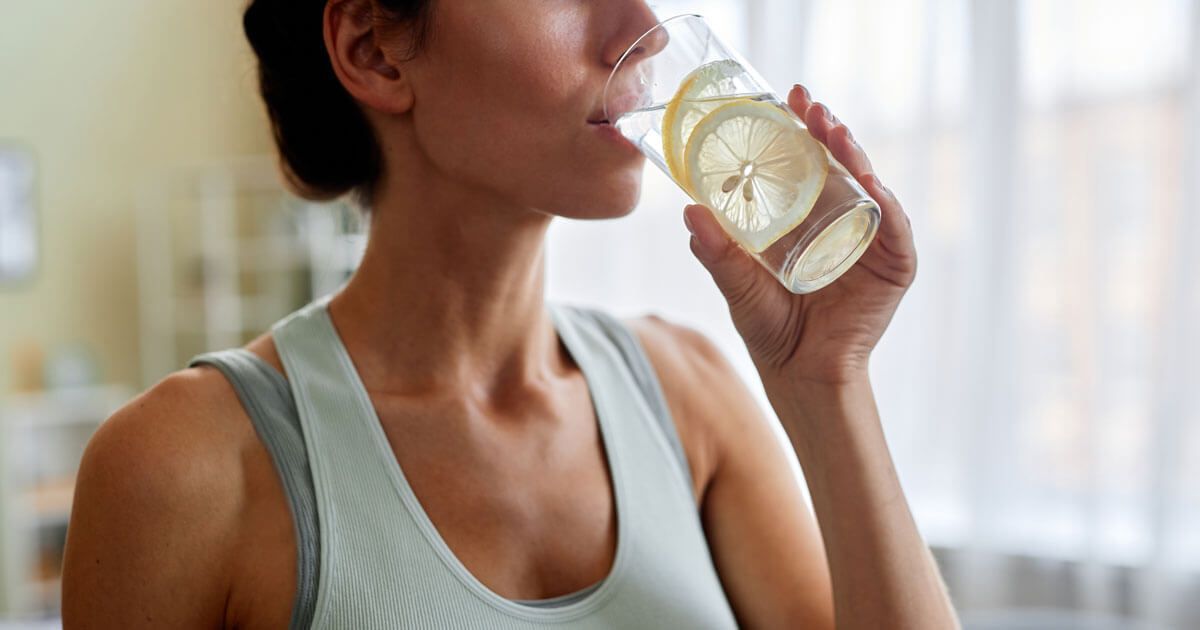
Woman in a Light Tank Top Drinking Water From a Glass — Trinity Beach Dental In Trinity Beach, QLD
April 1, 2026
Lemon water first thing in the morning. Sparkling water throughout the day. A kombucha with lunch. These feel like healthy habits, and some of them genuinely are. But there's a side effect most people don't hear much about: what all that acidity is quietly doing to your tooth enamel. It's one of those things that happens slowly enough that you don't notice it, but eventually becomes impossible to ignore.
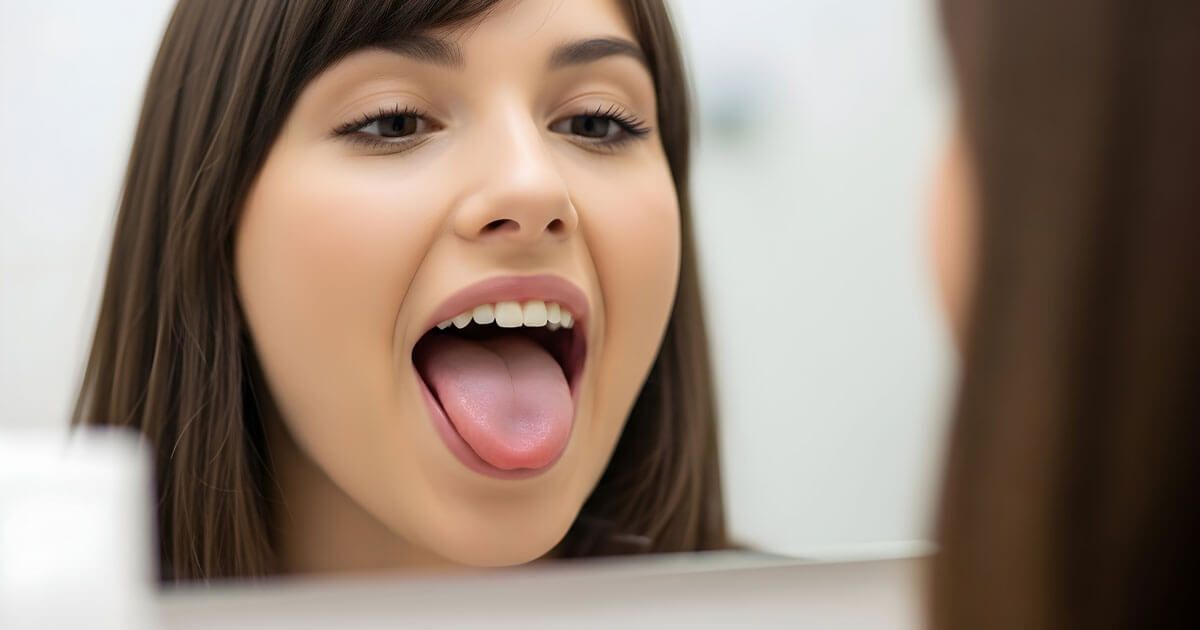
Woman With Tongue Out, Looking at Her Reflection — Trinity Beach Dental In Trinity Beach, QLD
March 22, 2026
Most people focus their dental self-checks on their teeth: looking for anything dark or broken, maybe running a tongue over a spot that feels off. But the tongue itself is one of the most informative surfaces in your mouth.

Person Covering Their Mouth With One Hand — Trinity Beach Dental In Trinity Beach, QLD
February 25, 2026
Stay hydrated throughout the day and drink a glass of water before bed.
Woman in a Yellow Sweater Covering Her Mouth and Nose — Trinity Beach Dental In Trinity Beach, QLD
February 15, 2026
Teeth grinding or clenching puts enormous pressure on the TMJ
Show More
